
Upstate Horror Campfire Tales
Fort Niagara · Niagara County
William Morgan and the Door at Fort Niagara
In 1826, an anti-Masonic writer was held in Fort Niagara’s powder magazine before he vanished. The surviving stone room makes this a very real historical mystery.
A story for the road
Listen to this tale
Have your device read the story aloud. Voice and playback depend on your browser.
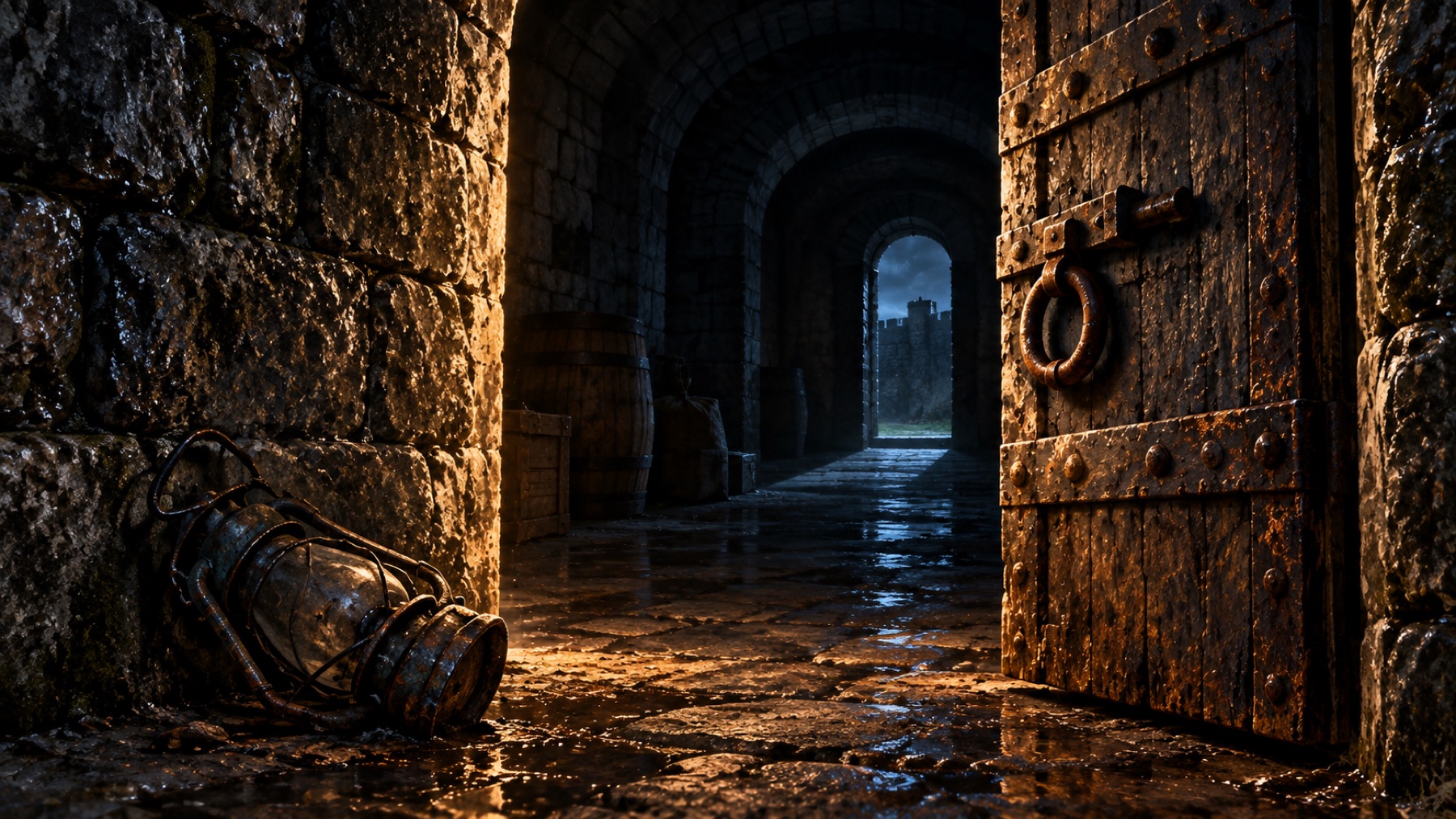
At Old Fort Niagara, the powder magazine is a thick-walled stone building meant to keep a garrison’s explosives dry and protected. The Old Fort Niagara Association records a darker use: William Morgan, an early anti-Masonic activist, was imprisoned there shortly before his mysterious disappearance in 1826.
That is the chilling core of this story. Morgan was a real person. The magazine survives. His disappearance became a national controversy. But the precise answer to what happened after his confinement is not supplied by the surviving room, and a dramatic theory should not be mistaken for a solved case.
Why this room matters
The magazine was built under French command in the 1750s and survived a major siege. Over time it served as ammunition storage, a secure place for valuables, a prison, and eventually a historic exhibit. That long chain of uses can make one set of stone walls feel like several different stories layered together.
For horror fans, Morgan’s case has the structure of a locked-door mystery. The temptation is to invent an ending as shadowy as the setting. The more unsettling choice is to leave the ending open: a political conflict, a prisoner, a disappearance, and a room visitors can still stand beside today.
Behind the tale
Historical details come from the sources below. Reported hauntings and supernatural claims are folklore, not verified fact.
Read online at https://www.upstatehorror.com/campfire-story/william-morgan-and-the-door-at-fort-niagara/ · Published September 28, 2026
 GHOUL